Now Accepting New Clients
I’m currently accepting new clients for online therapy throughout Washington. You’re welcome to book a free 15-minute phone consultation to ask questions and get a sense of what working together might look like.
Therapy for Trauma, PTSD & C-PTSD
Sometimes you know what happened. Understanding why it still affects you can be a different matter.
Maybe something happened years ago but you still notice its effects in ways you didn't expect. Or perhaps you've spent so much time adapting to difficult circumstances that it's hard to recognize what those experiences have cost you.
Trauma doesn't always come from one identifiable event. It can also develop through repeated experiences when you haven't had the safety or support you needed.
Even when those circumstances have changed, their effects can continue to show up in everyday life.
When the past shows up in the present.
Some effects of trauma are easy to recognize, like nightmares or unwanted memories. Others can be harder to connect to what you've experienced.
You might find yourself anticipating problems even when things are going well. Perhaps a certain tone of voice brings up feelings you can't quite explain. Or you might notice that your reactions seem stronger than the situation calls for.
Part of our work can be making sense of those reactions and exploring what you might need when they come up.

Ready to connect?
Choose a time for a free 15-minute introductory phone consultation.
Available to adults ages 18 and older.
View Available TimesAppointment requests are subject to confirmation.
The effects of prolonged trauma.
Living through difficult or unsafe circumstances over time can influence how you understand yourself and what you come to expect from other people.
Complex PTSD, or C-PTSD, can develop following prolonged or repeated trauma, especially in situations where escape is difficult. This might involve growing up with abuse or neglect or spending years in an unsafe relationship.
C-PTSD can also affect how you manage emotions and how you see yourself. You might feel overwhelmed by what you're feeling or disconnected from it. Shame or self-blame can linger, even when you weren't responsible for what happened.
In What My Bones Know, Stephanie Foo explores how childhood trauma can shape the way we see ourselves. Her memoir left me thinking about how difficult those beliefs can be to question, something I reflect on in my book review.
When knowing you're safe isn't enough.
Sometimes you know you're not in danger but your body responds as though you are. Other times, the sense of danger feels so real that it's hard to recognize when you're safe.
Your body might remain tense long after a difficult interaction has ended. Rest might feel uncomfortable, even when you're exhausted.
In therapy, we can pay attention to these physical responses as well as what you're experiencing emotionally. We can also explore ways to help you feel more grounded, with the understanding that some things may help and others might not.

Relationships after trauma.
Experiences that made relationships feel unpredictable or unsafe can influence how you connect with others later in life.
You may want closeness but struggle to trust it when it's offered. Or perhaps expressing disagreement feels risky because of how people have responded to you in the past.
These experiences can create tension between the relationships you want and the ways you've learned to protect yourself.
I'm interested in understanding what those patterns look like in your life and what you might want to approach differently.
You don't have to tell me everything at once.
Some people come to therapy ready to talk about what happened. Others need time before they're comfortable discussing certain experiences. Some aren't sure they want to revisit them at all.
I won't expect you to share painful memories before we've had time to get to know each other.
I want us to be thoughtful about the pace of our work and what feels manageable for you.
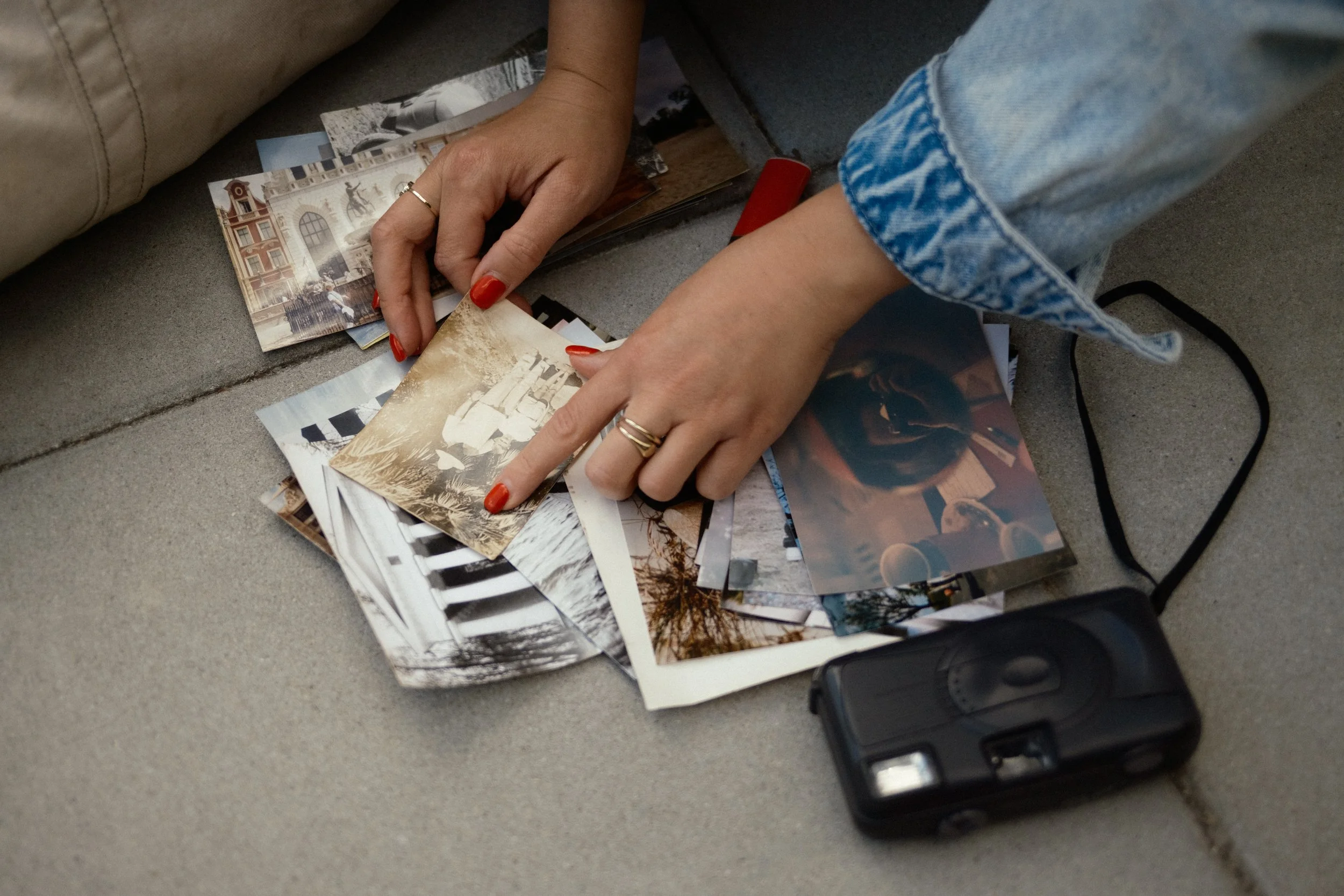
Past, present, or both.
You might want to better understand how trauma has affected you or perhaps something happening in your life right now feels more pressing.
There may be times when you want to revisit earlier experiences and others when you'd rather focus on the present.
I offer online individual therapy for adults ages 18 and older throughout Washington State, for people navigating trauma-related concerns, including PTSD and C-PTSD.